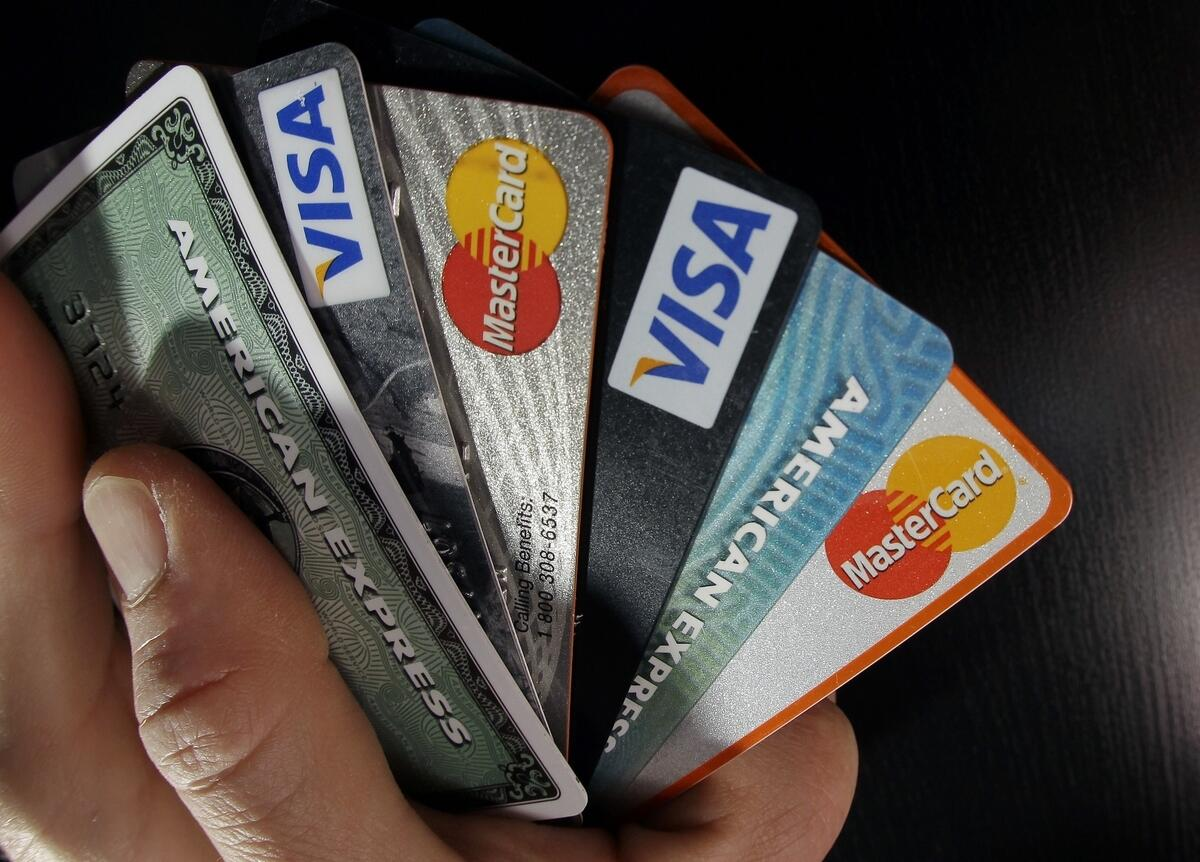
 Nowadays, we live in a world of plastic. We have plastic bottles, plastic forks, bowls, etc. And plastic thing that affects us a lot is credit card.
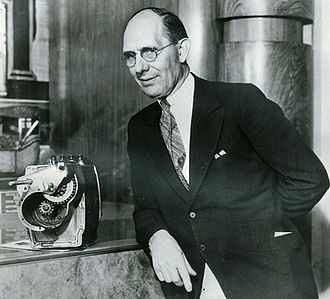
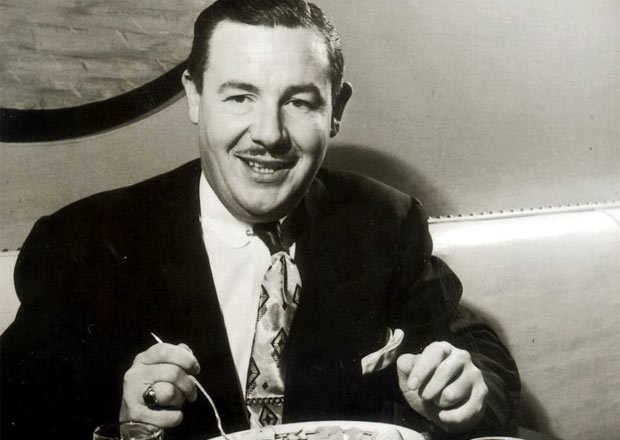
In the early 1900s, Charles F. Kettering, the well-known inventor, invented a payment system based on credit that let customers pay monthly. About 40 years later, Frank McNamara invented the first credit card that enables customers to pay in several restaurants in NYC.
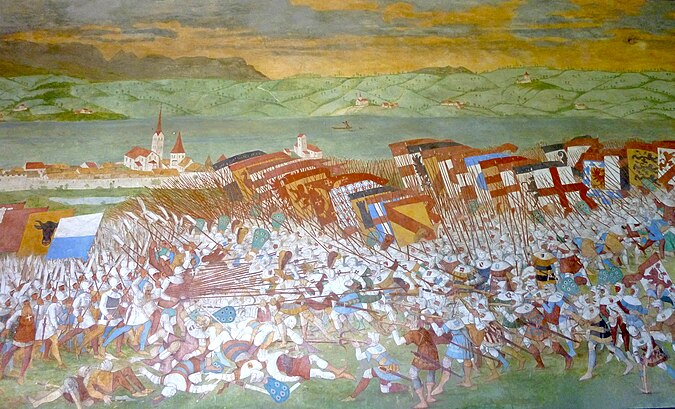
Date back to the 1300s, Dukes of Burgundy began to utilize the credit systems to borrow money to strengthen their power, including developing their military power to expand their territory.
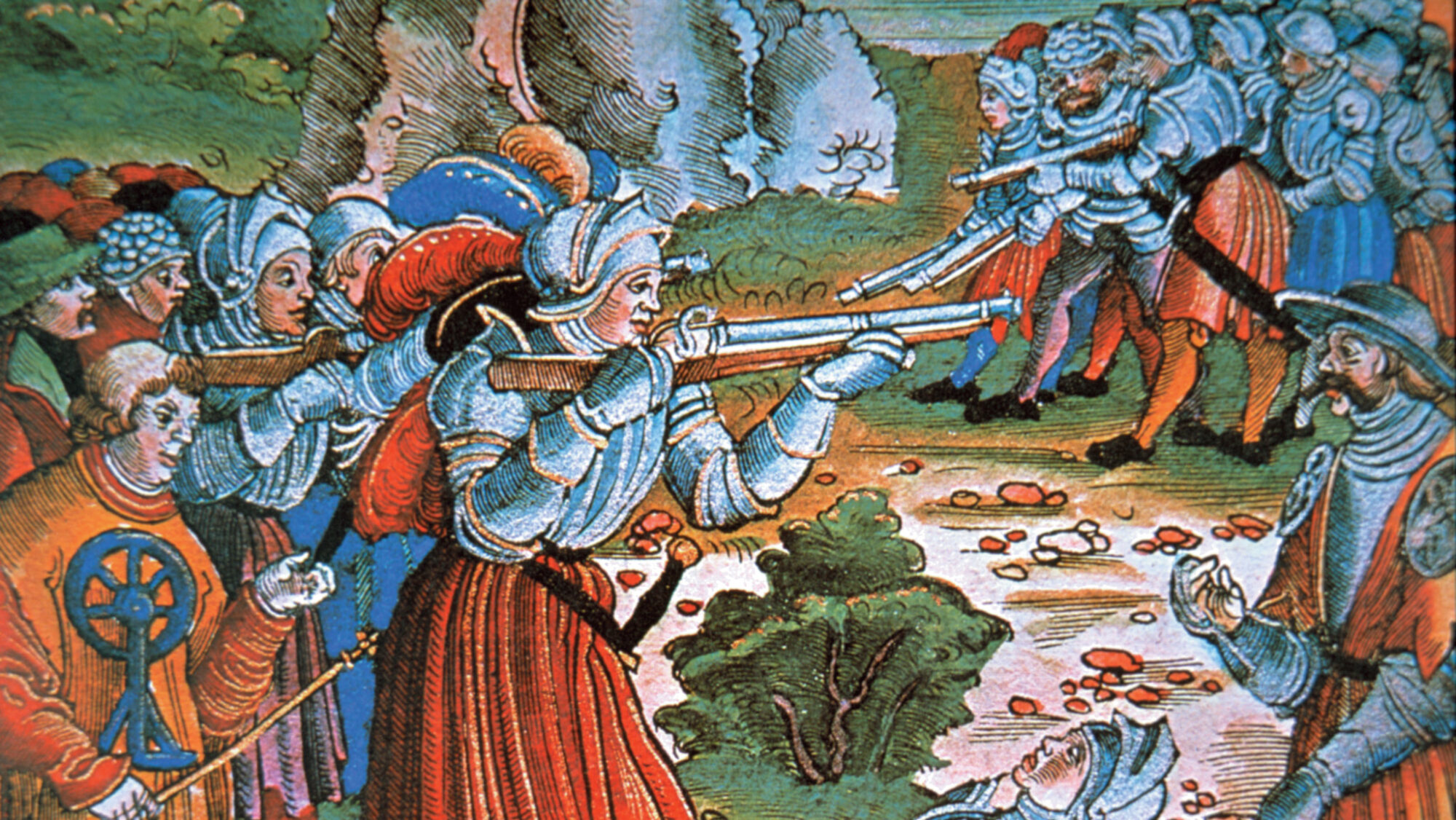
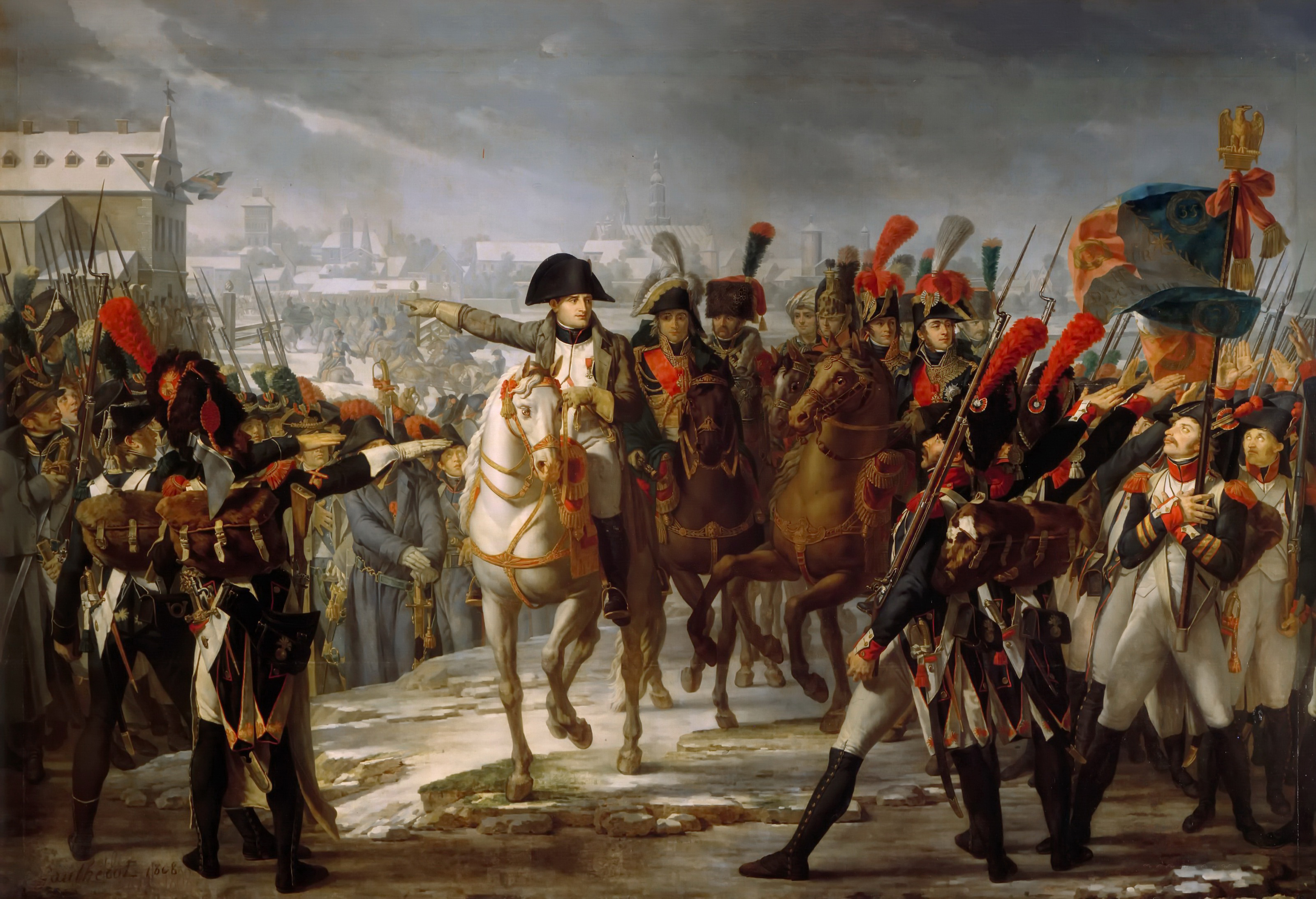
After hundreds of years of war, the situation in Europe had changed dramatically, and so had the weapons used by soldiers. As the war progressed, more lethal weapons were constantly developed, and the size of the army continued to expand. At this time, providing supplies for these armies became a problem, and this problem was particularly serious during the Napoleonic Wars.
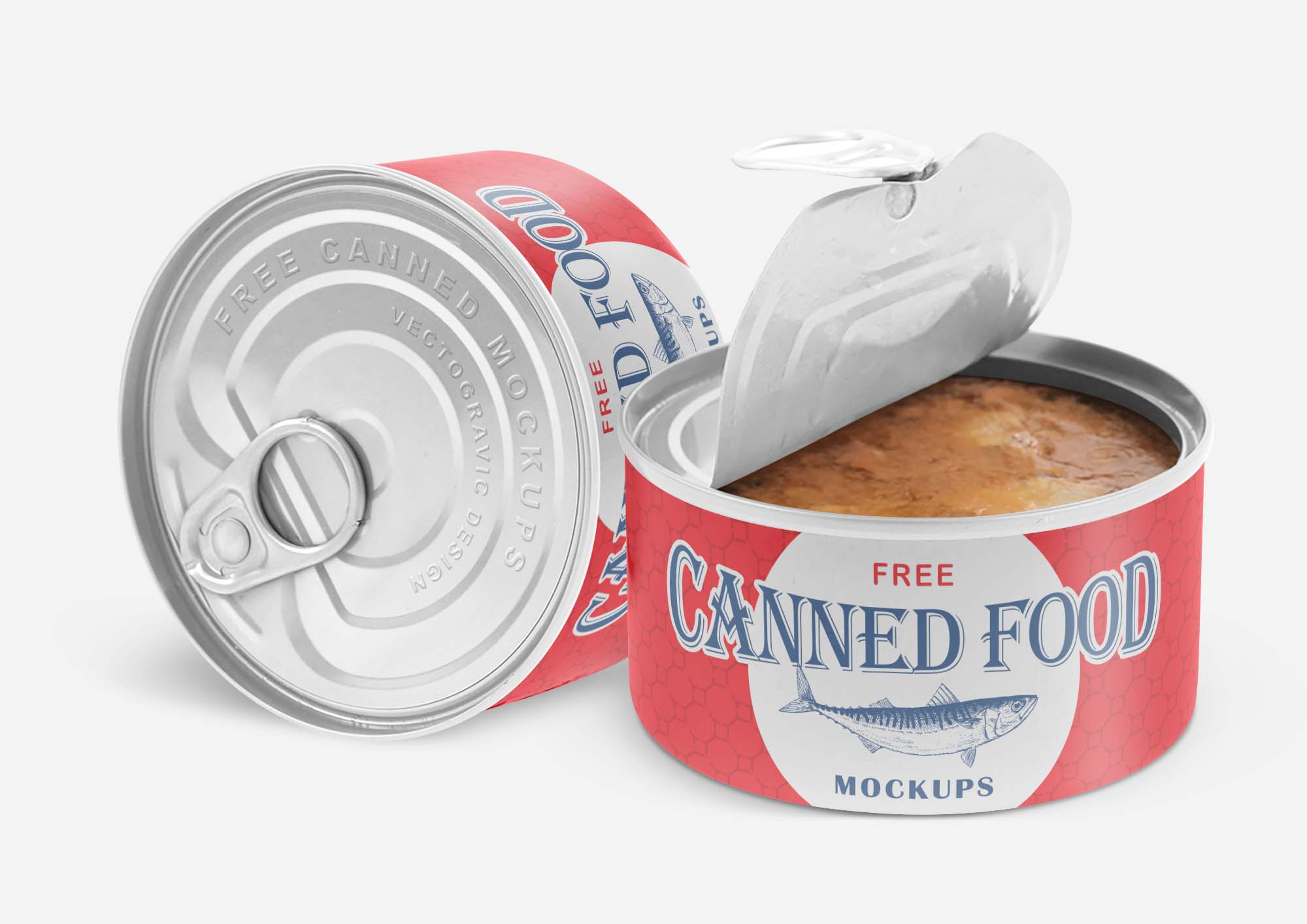
In order to solve the problem of insufficient food supply, a French chef put food into bottles of champagne, the most popular drink in France at that time, and sealed them with corks after heating. This sealed food was not easy to spoil and soon gained an important position in wars and later sailing activities. He wrote a book about this food processing method, which was discovered by several inventors who improved papermaking technology but failed to make a profit from it. They changed the food container to tin and invented the canned food that we still use today.
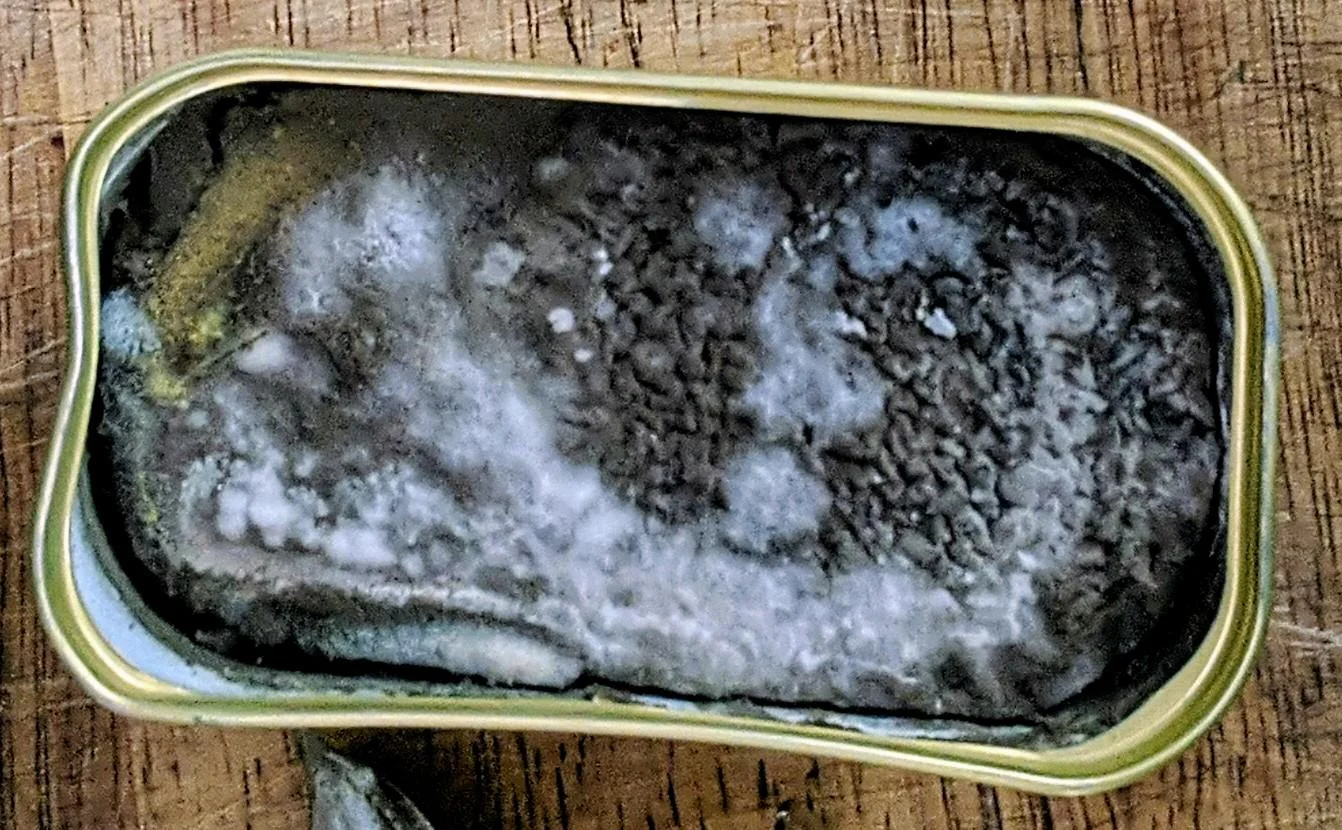
However, people soon discovered that canned food would still spoil. They thought it was caused by harmful gases. In the eyes of people at that time, this harmful gas would not only cause the food in the can to spoil, but also cause a series of diseases, such as malaria.

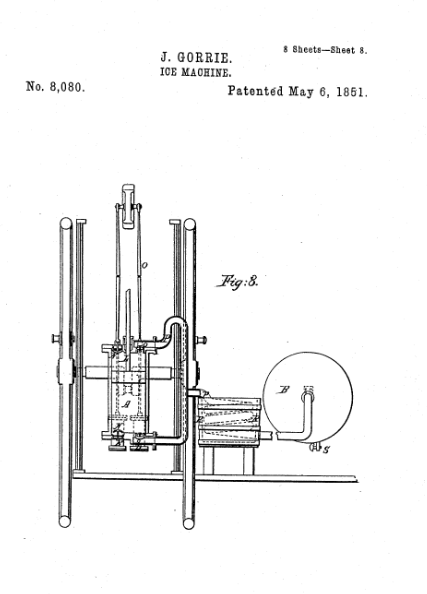
A French scientist in Florida found that malaria patients were less likely to appear in winter, so he believed that the occurrence of malaria was related to temperature. This Frenchman named John Gorrie invented the earliest ice-making machine. Starting with the ice-making machine, humans began to explore the technology of cooling, and thus invented a series of electrical appliances such as air conditioners and refrigerators that have profoundly changed our lives.
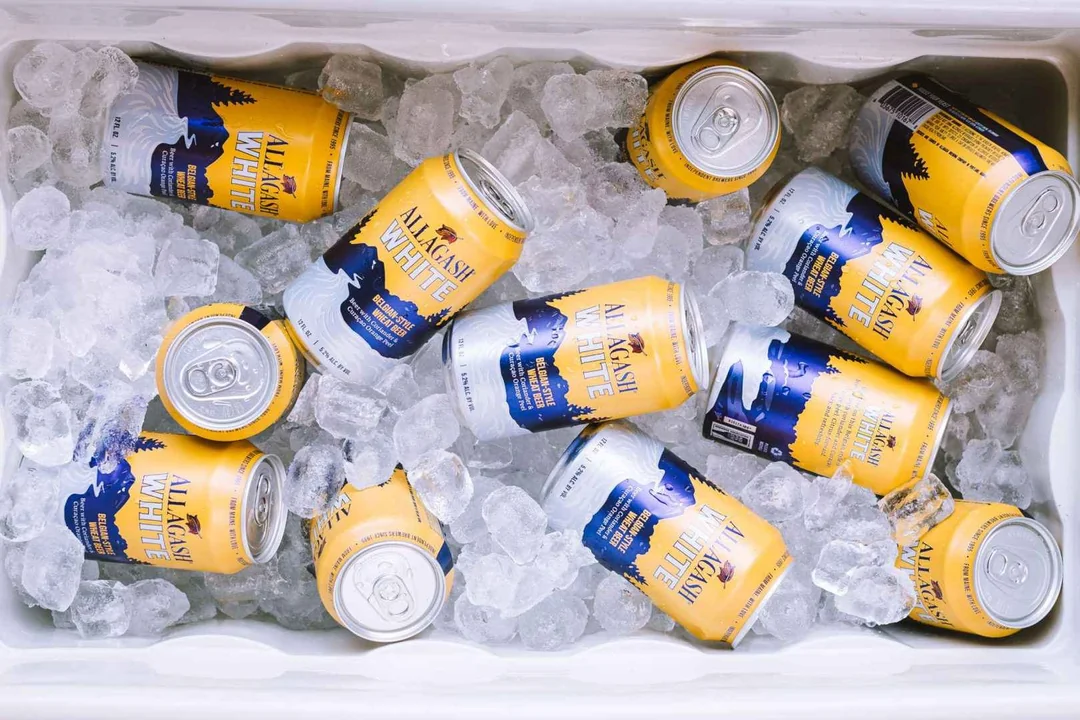
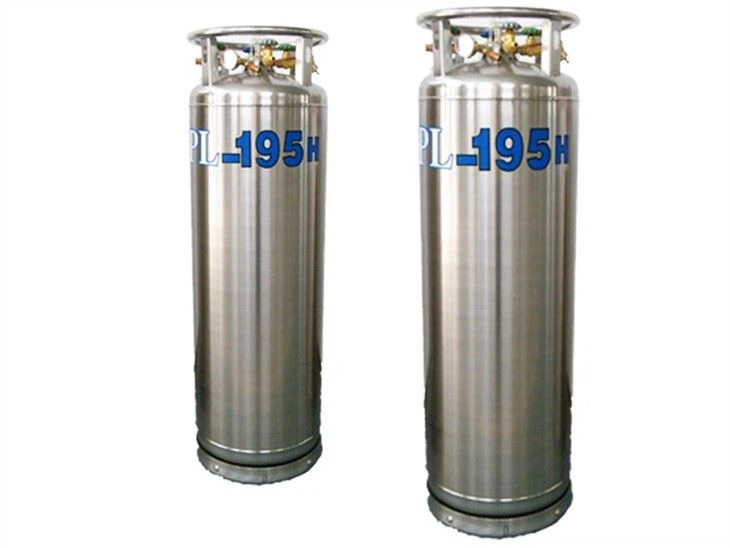
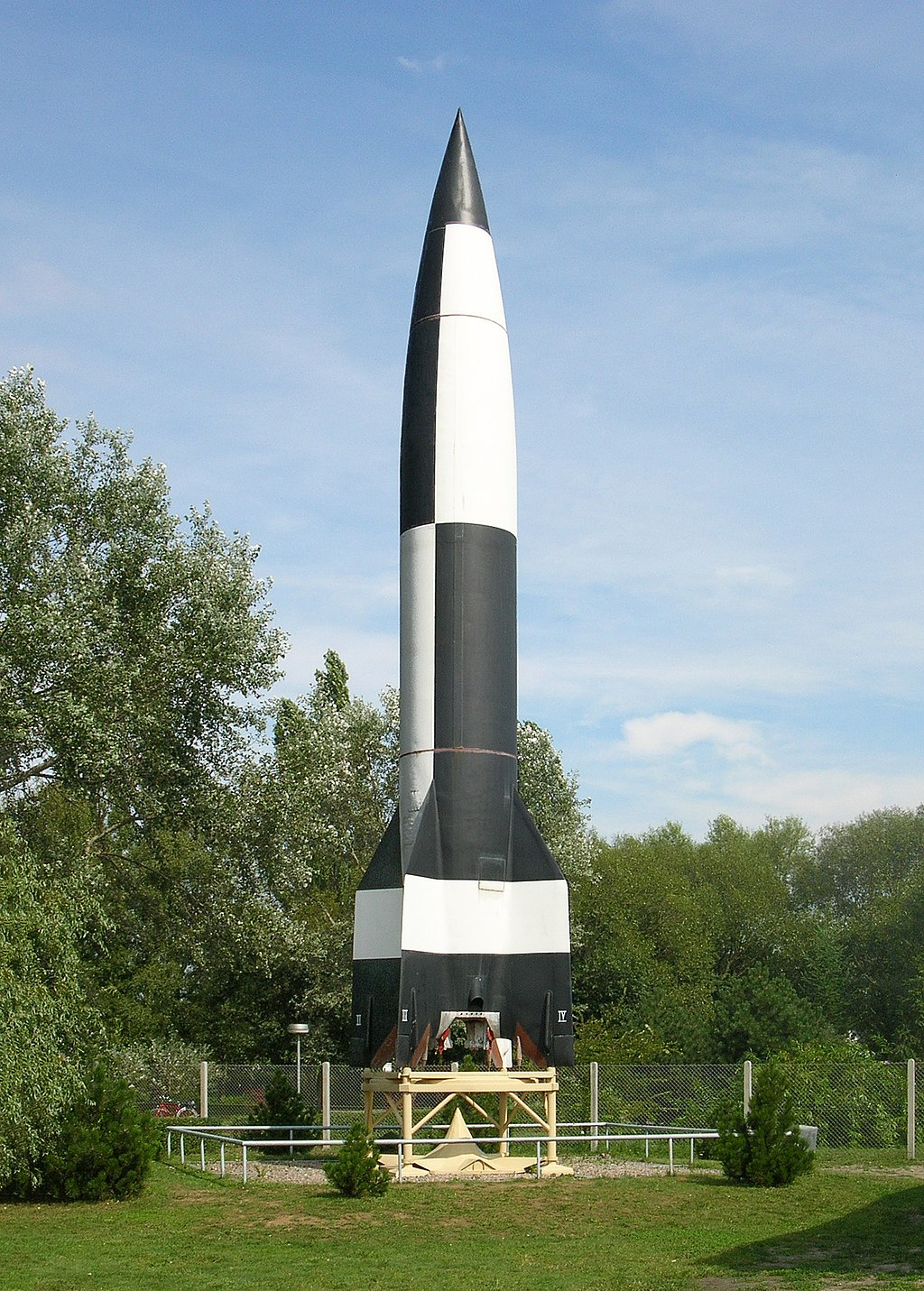
As refrigeration technology developed further, scientists mastered the technology of liquefying gas. In order to preserve liquefied gas, gas cylinders came into being. Liquefied gas can release a lot of heat when ignited, and gas cylinders make liquefied gas easy to store and transport, and this high-quality fuel was used in war. In World War II, a German scientist named Wernher von Braun used this technology to invent a missile called the “V2 rocket.” After the war, scientists from various countries continued to study and eventually invented a manned rocket that sent people to the moon.